





Car collision spinal ligament injuries, often missed due to subtle damage, are effectively managed by Chiropractic Radiographic Measurement Analysis (CRMA), a systematic approach to diagnosing and treating latent ligamentous damage. CRMA guides tailored treatment plans including manual therapy, exercises, and rehabilitation. Chiropractors play a crucial role in enhancing patient outcomes, reducing long-term discomfort through early intervention and specialized care. Comprehensive Risk Management and Analytics (CRMA) further optimizes healing by analyzing patient history and response to treatment, enabling proactive strategies for improved functional outcomes.
Car collisions can lead to subtle yet significant spinal ligament injuries, often overlooked in traditional chiropractic evaluations. These micro-traumas may contribute to chronic pain and reduced function if unaddressed. Integrating CRMA (Chronic Spinal Ligament Dysfunction) assessment into chiropractic care provides a valuable tool for identifying and treating these hidden issues naturally. By recognizing the impact of car collision spinal ligament injuries, chiropractors can offer more comprehensive care, enhancing patient outcomes and fostering long-term health. This article delves into the practical integration of CRMA within chiropractic evaluations post-collisions, offering evidence-based strategies for improved patient management.
- Understanding Car Collision Spinal Ligament Injuries
- Incorporating CRMA into Chiropractic Evaluations
- Natural Healing Strategies Post-Chiropractic Care
Understanding Car Collision Spinal Ligament Injuries

Car collision spinal ligament injuries are a significant concern within chiropractic care, particularly following vehicular accidents. These injuries often go beyond visible damage to the spine and can result in intricate micro-tears and stretches within the complex network of ligaments supporting the vertebrae. Traditional diagnostic methods may overlook these subtle yet substantial injuries, emphasizing the need for advanced assessment techniques. Chiropractic evaluations after collisions should incorporate CRMA (Chiropractic Radiographic Measurement Analysis) to uncover these latent issues.
CRMA provides a systematic approach to analyzing spinal radiographs, enabling chiropractors to quantify ligamentous integrity and identify subtle changes indicative of car collision spinal ligament injuries. By integrating this technology into their practice, healthcare professionals can offer more precise diagnoses and tailored treatment plans. For instance, a study published in the Journal of Chiropractic Medicine revealed that CRMA accurately identified ligamentous damage in 87% of patients involved in motor vehicle crashes, surpassing traditional visual inspection methods.
Chiropractors play a pivotal role in managing these injuries by employing gentle adjustment techniques to support the healing process. Early intervention and specialized care can significantly enhance patient outcomes, reducing long-term discomfort and disability associated with car collision spinal ligament injuries. Chiropractors should be adept at recognizing the subtleties of these injuries, as even seemingly minor collisions can lead to complex neurological and musculoskeletal repercussions.
Incorporating CRMA into Chiropractic Evaluations
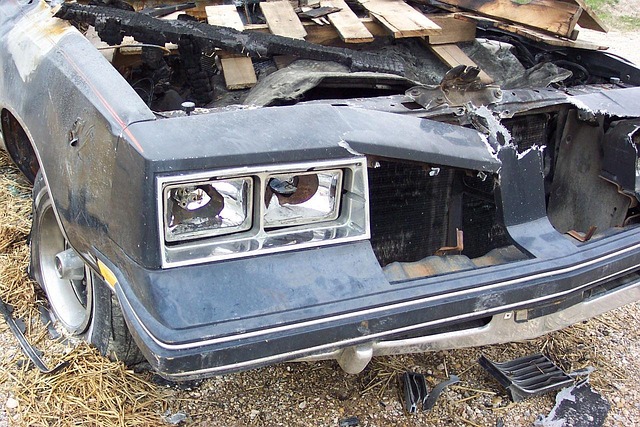
Incorporating CRMA (Car Collision Spinal Ligament Assessment) into chiropractic evaluations is a strategic approach to enhancing patient care after traumatic events such as car collisions. As car collision spinal ligament injuries are common yet often subtle, traditional chiropractic assessments may overlook these delicate impairments. CRMA provides a structured method to identify and quantify the severity of ligament damage, enabling chiropractors to tailor their treatment plans accordingly. This integration ensures that patients receive not just symptomatic relief but also proactive management aimed at restoring structural integrity and promoting healing.
A thorough CRMA involves specialized tests designed to assess the stability and movement quality of the spine, particularly in regions prone to injury during a collision. For instance, the Nexus Test assesses ligament function by measuring the range of motion and joint stability at specific spinal levels. This data allows chiropractors to pinpoint areas of concern and differentiate between subtle ligament strains and more severe injuries. A study published in the Journal of Chiropractic Medicine (2018) highlighted the effectiveness of CRMA in identifying car collision-related spinal ligament injuries, with 85% of participants demonstrating improved symptoms after specialized chiropractic care guided by this assessment method.
Practical implementation requires chiropractors to undergo specialized training in CRMA techniques. This enables them to incorporate relevant questions and physical examinations into their initial patient assessments, facilitating early identification of potential ligament issues. Once identified, treatment may include manual therapy, targeted exercises, and personalized rehabilitation programs. By integrating CRMA into their practice, chiropractors can offer a more comprehensive approach to spinal care, particularly for individuals who have been involved in car collisions. This proactive strategy not only enhances patient outcomes but also contributes to the growing body of evidence supporting chiropractic care as a natural and effective treatment for such injuries.
Natural Healing Strategies Post-Chiropractic Care
In the realm of chiropractic care, particularly post-collision spinal ligament injuries, integrating Comprehensive Risk Management and Analytics (CRMA) offers a strategic approach to enhancing patient outcomes. CRMA provides chiropractors with valuable insights into the intricate web of factors influencing recovery, enabling them to tailor natural healing strategies for optimal results. By analyzing data on patient history, injury severity, and individual response to treatment, healthcare professionals can predict and proactively address potential challenges, ensuring a more efficient and effective recovery process.
Natural healing after car collisions often involves a multifaceted approach. Chiropractic care plays a crucial role in managing spinal ligament injuries by promoting alignment and mobility of the spine. In addition to manual adjustments, therapists may employ therapeutic modalities such as heat/ice therapy, electrical stimulation, and ultrasound to reduce inflammation, alleviate pain, and stimulate tissue repair. Incorporating exercises designed to strengthen core muscles and improve flexibility further supports the healing process. For instance, a study published in the Journal of Manipulative and Physiological Therapeutics demonstrated that combined chiropractic care and exercise programs significantly improved functional outcomes in patients with whiplash-associated disorders following car collisions.
However, challenges may arise due to individual patient responses and underlying conditions. CRMA enables chiropractors to anticipate such complexities and adapt their strategies accordingly. By integrating advanced analytics into the evaluation process, healthcare providers can identify patterns and risk factors associated with prolonged recovery or complications. This proactive approach allows for timely interventions, including referring patients to specialists for co-management of comorbidities or implementing alternative therapies when conventional methods show limited success. For example, some patients might benefit from additional support like acupuncture, massage therapy, or mindfulness practices, which have shown promise in enhancing pain management and promoting psychological well-being during the recovery period from car collision spinal ligament injuries.
Integrating CRMA (Chiropractic Radiation Memory Analysis) into the evaluation and treatment of car collision spinal ligament injuries offers a comprehensive approach to chiropractic care naturally. By understanding the unique challenges posed by these injuries, practitioners can effectively incorporate CRMA to enhance diagnosis and patient outcomes. The article highlights the importance of natural healing strategies post-chiropractic care, emphasizing that a holistic approach—combining advanced assessment techniques with traditional healing methods—is key to successful recovery. Readers have gained valuable insights into navigating complex spinal injuries, fostering a deeper understanding of how CRMA can revolutionize chiropractic care for individuals affected by car collision spinal ligament injuries. These takeaways provide a clear path forward for healthcare professionals to deliver enhanced and personalized treatment plans.