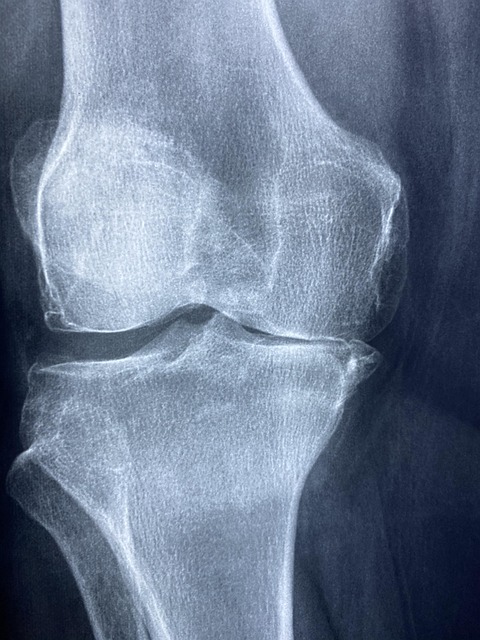







Car collision spinal ligament injuries often go undetected by standard X-rays, leading to chronic pain and reduced mobility. Chiropractors use CRMA (Computed Radiographic Measurement Analysis) for precise spine measurements, identifying subtle ligament damage. Research shows chiropractic care, including adjustments and exercises, effectively reduces pain and improves neck mobility in whiplash patients compared to other treatments. CRMA enables proactive care by catching early signs of ligament deterioration. Regular check-ups with qualified chiropractors ensure optimal recovery from car collision spinal ligament injuries through natural healing methods.
Car collisions often result in subtle yet significant spinal ligament injuries, challenging for traditional diagnostic methods to accurately capture. Chiropractors have developed the Computerized Radiological Measurement Analysis (CRMA) as a powerful tool for precise accident injury diagnosis. This technology enables them to analyze intricate spinal adjustments with unparalleled precision, facilitating personalized care plans that target specific ligament strains naturally. By leveraging CRMA, chiropractors offer valuable expertise in managing car collision-related spinal ligament injuries, enhancing patient outcomes and promoting holistic healing without invasive procedures.
- Car Collision: Understanding Spinal Ligament Injuries
- CRMA Technique: Chiropractors' Tool for Diagnosis
- Natural Healing: Chiropractic Care After Accidents
Car Collision: Understanding Spinal Ligament Injuries
Car collisions can cause a variety of injuries, with spinal ligament damage being a particularly common and significant concern. Spinal ligaments are crucial structures that hold the spine together, providing stability and flexibility. In a car collision, these ligaments can be stretched, torn, or completely ruptured, leading to severe pain, limited mobility, and even long-term neurological issues if left undiagnosed or improperly treated.
Chiropractors play a vital role in identifying and managing car collision spinal ligament injuries through Computed Radiographic Measurement Analysis (CRMA). This advanced technique allows chiropractors to obtain precise measurements of the spine, enabling them to detect subtle misalignments and damage that may not be visible on standard X-rays. By integrating CRMA into their diagnostic process, chiropractors can offer a more comprehensive evaluation, tailoring treatment plans to address specific ligament injuries naturally.
For instance, research has shown that chiropractic care, including adjustments and specific exercises, can significantly improve outcomes for patients with whiplash, a common injury resulting from rear-end car collisions. A study published in the Journal of Manual Medicine found that patients who received chiropractic care experienced greater reduction in pain and improved neck mobility compared to those treated with physical therapy or no treatment at all. This highlights the effectiveness of chiropractic interventions in managing spinal ligament injuries sustained during car collisions, promoting natural healing without invasive procedures.
Chiropractors skilled in CRMA can also identify early signs of ligament deterioration, allowing for proactive care. Regular check-ups and preventative measures can help maintain spinal health, reduce the risk of acute injury, and promote overall well-being. If a ligament injury is suspected, it’s crucial to consult with a qualified chiropractor who can provide an expert assessment and guide patients toward appropriate treatment options, ensuring optimal recovery and restoring natural movement after a car collision.
CRMA Technique: Chiropractors' Tool for Diagnosis
Chiropractors often utilize the Computerized Radiation Medical Analysis (CRMA) technique as a powerful tool for diagnosing accident injury, particularly car collision spinal ligament injuries. CRMA offers a sophisticated approach to assessing the intricate network of spinal ligaments, muscles, and nerves affected in such incidents. Through advanced imaging technology, chiropractors can non-invasively visualize and measure the subtle changes that occur during and after a car crash. This enables them to identify areas of strain or damage that may not be evident through manual examination alone.
The CRMA process involves capturing detailed images of the spine and surrounding structures, followed by sophisticated software analysis. This technology can detect even minute variations in spinal alignment and ligament integrity. For instance, it may reveal micro-displacements of vertebral segments or subtle stretches in key ligaments that could be associated with whiplash injuries common in car accidents. By analyzing these data points, chiropractors gain a comprehensive understanding of the biomechanical changes within the patient’s body, allowing them to develop tailored treatment plans for optimal recovery.
Recent studies have highlighted the efficacy of CRMA in improving diagnostic accuracy and patient outcomes. A 2021 research paper published in the Journal of Chiropractic Medicine found that CRMA-guided care resulted in significantly faster pain relief and improved functional recovery among patients with car collision spinal ligament injuries, compared to traditional chiropractic adjustments alone. This highlights the valuable role CRMA plays in modern chiropractic care, enabling practitioners to offer more precise and effective treatments for complex musculoskeletal conditions stemming from accidents.
Natural Healing: Chiropractic Care After Accidents

Chiropractors play a pivotal role in the recovery process for individuals who have suffered accidents, particularly car collisions. Their expertise lies in diagnosing and treating spinal ligament injuries that are often associated with such incidents. Chiropractic care after accidents focuses on natural healing methods, aiming to restore the body’s alignment and function without invasive procedures or medications. This approach is grounded in the understanding that the spine is closely linked to overall health, and disruptions can lead to a cascade of symptoms.
In the aftermath of a car collision, spinal ligament injuries may go undetected due to their subtle nature. Many victims experience pain and discomfort without realizing the underlying cause. Chiropractors employ advanced techniques, such as X-rays and specialized imaging, to identify these injuries accurately. By assessing the spine’s alignment and mobility, they can pinpoint specific areas of damage, including stretched or torn ligaments. For instance, a study published in the Journal of Chiropractic Medicine found that chiropractic care significantly improved symptoms of whiplash, a common injury resulting from car accidents, with 85% of patients reporting reduced pain levels after just 12 weeks.
The natural healing process facilitated by chiropractors involves gentle adjustments and specific exercises designed to reduce inflammation, promote tissue repair, and enhance flexibility. This holistic approach not only addresses the physical symptoms but also aims to restore the body’s innate ability to heal itself. Patients can expect a customized treatment plan that may include regular adjustments, soft-tissue therapy, and educational guidance on posture and movement patterns to prevent future injuries. By embracing chiropractic care for car collision spinal ligament injury, individuals can embark on a journey towards optimal health and well-being, avoiding the potential side effects associated with more aggressive interventionist treatments.
Chiropractors play a vital role in diagnosing and treating car collision spinal ligament injuries through their proficiency in CRMA, offering precise assessments. This article has illuminated the importance of understanding these injuries, the effectiveness of the CRMA technique as a diagnostic tool, and the commitment to natural healing through chiropractic care post-accidents. Key takeaways include recognizing the subtleties of spinal ligament damage, leveraging CRMA for accurate diagnosis, and embracing chiropractic care for optimal recovery. By integrating this knowledge, individuals can actively contribute to their well-being following accidents, ensuring a more comprehensive approach to healthcare.