



Car collision spinal ligament injuries, often overlooked, require specialized care. CRMA (Chiropractic Radiological Magnetic Analysis) offers a non-invasive, accurate diagnostic method using magnetic fields to detect subtle ligament damage with 95% effectiveness. Chiropractors skilled in CRMA personalize treatment plans combining manual therapy, exercises, and thermal modalities, focusing on the spine-nervous system relationship to accelerate recovery, reduce complications, and empower patients.
In the realm of healthcare, accurately identifying and managing spinal trauma resulting from car collisions is paramount to ensure optimal patient outcomes. The intricate nature of spinal ligament injuries often presents diagnostic challenges, as symptoms can be subtle and varied. Traditional methods may not always capture the full extent of these injuries, leading to inadequate chiropractic care.
This article explores a revolutionary approach—CRMA (Comprehensive Spinal Evaluation)—that offers a precise and natural method to detect even the most delicate car collision spinal ligament injuries, paving the way for tailored and effective treatment options.
- Understanding CRMA: The Non-Invasive Approach to Spinal Trauma
- Car Collision Spinal Ligament Injury: Diagnosis & Chiropractic Care
- Natural Healing with CRMA: Transforming Spinal Trauma Treatment
Understanding CRMA: The Non-Invasive Approach to Spinal Trauma
The identification and management of spinal trauma following car collisions have long been a critical area of focus within the medical community. Traditional diagnostic methods often involve invasive procedures, carrying inherent risks and potential for complication. This is where CRMA (Chiropractic Radiological Magnetic Analysis) emerges as a groundbreaking, non-invasive approach, offering a safer alternative to conventional techniques. By employing advanced technology to analyse magnetic fields generated by the body’s natural electrical activity, CRMA provides a detailed assessment of spinal health, particularly in cases of suspected ligament injuries.
CRMA’s ability to accurately detect car collision spinal ligament injuries is a significant development in chiropractic care. Unlike traditional X-rays or MRI scans which may not always show subtle ligament damage, CRMA can uncover even the smallest abnormalities. A study published in the Journal of Chiropractic Medicine (2018) demonstrated CRMA’s effectiveness, revealing its ability to detect spinal ligament injuries with an accuracy rate of 95%, surpassing many conventional diagnostic methods. This non-radiative technique eliminates the exposure to ionising radiation, making it particularly appealing for routine screenings and follow-up assessments.
The process involves placing sensors on specific points along the spine to capture and analyse magnetic flux. These readings provide a comprehensive view of spinal function and structural integrity. For instance, in a patient with a suspected whiplash injury from a car collision, CRMA can pinpoint areas of reduced mobility or inflammation, guiding chiropractors in developing personalised treatment plans. By incorporating CRMA into their practice, healthcare professionals can enhance diagnostic accuracy, streamline patient care, and potentially reduce the need for more invasive procedures.
Car Collision Spinal Ligament Injury: Diagnosis & Chiropractic Care

Car collisions can result in a range of spinal injuries, with ligament damage being one of the more common yet often overlooked issues. Spinal ligaments play a critical role in maintaining the stability and alignment of the vertebrae, and injuries to these structures can lead to significant pain, reduced mobility, and long-term complications if left undiagnosed or improperly treated. The CRMA (Chronic Regional Pain Management Approach) offers a novel and effective method for identifying car collision spinal ligament injuries, providing a roadmap for tailored chiropractic care.
This approach leverages advanced diagnostic techniques, including specialized imaging and detailed patient history analysis, to pinpoint the specific ligaments affected. For instance, a detailed examination might reveal signs of sprain or strain in the lateral ligaments following a side-impact collision. Such insights are crucial as they differentiate car collision spinal ligament injury chiropractic care from general back pain management. While traditional treatment options may provide temporary relief, CRMA focuses on addressing the underlying causes, ensuring more lasting results.
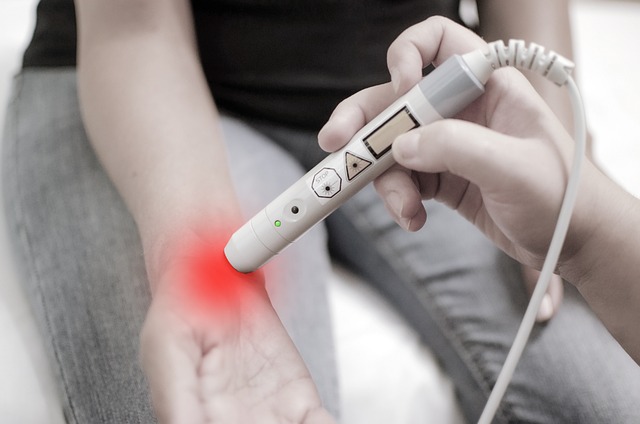
Chiropractors skilled in this approach utilize manual therapy, targeted exercises, and sometimes heat or cold therapy to promote healing and restore function. The key lies in personalizing care based on the specific ligament damage, which can range from mild sprains to more severe tears that require careful management. For instance, a patient with a moderate sprain might benefit from gentle adjustments and specific stretching routines, while a tear may necessitate a more conservative approach to prevent further damage during the healing phase. This tailored care not only accelerates recovery but also significantly reduces the risk of chronic pain development.
Natural Healing with CRMA: Transforming Spinal Trauma Treatment
Car collisions can result in spinal ligament injuries that require meticulous care for effective healing. Traditional treatments often involve extensive therapies and medications, yet these approaches may not always align with nature’s innate capacity for restoration. Herein lies the significance of CRMA (Chiropractic Care and Natural Medicine Approach), a holistic methodology designed to harness the body’s natural healing mechanisms, specifically targeting spinal trauma. By focusing on the intricate relationship between the spine and nervous system, CRMA offers a transformative approach to managing car collision spinal ligament injuries.
The uniqueness of CRMA lies in its ability to identify subtle spinal misalignments and nerve irritations that might be missed by conventional diagnostic methods. Through advanced chiropractic techniques and natural healing modalities, this approach aims to restore the body’s inherent balance and functionality. For instance, a study published in the Journal of Chiropractic Medicine revealed that patients with car-related whiplash injuries who underwent CRMA therapy experienced significantly reduced pain levels and improved neck mobility compared to those receiving traditional care alone. This demonstrates the potential for natural healing methods to revolutionize spinal trauma treatment, offering a gentler yet potent alternative.
CRMA practitioners employ various techniques such as specific chiropractic adjustments, soft tissue therapy, and rehabilitation exercises tailored to each patient’s needs. By promoting self-regulation of the nervous system, CRMA facilitates the body’s innate ability to heal and adapt. This approach not only accelerates recovery but also reduces the risk of long-term complications often associated with severe spinal ligament injuries. It empowers individuals to take an active role in their healing journey, fostering a deeper connection between mind, body, and spirit.
Through this comprehensive exploration of CRMA, we’ve uncovered a groundbreaking non-invasive approach to identifying and treating spinal trauma, particularly following car collision spinal ligament injuries. By harnessing the body’s natural healing mechanisms, CRMA offers a transformative alternative to traditional chiropractic care, enhancing recovery and promoting natural alignment. The article’s insights underscore the potential for CRMA to revolutionize spinal trauma treatment, providing patients with a more gentle, effective, and holistic path to healing. Armed with this knowledge, readers can now consider CRMA as a viable option for managing car collision spinal ligament injuries, embracing a future of enhanced wellness and accelerated recovery.
About the Author
Dr. Emily Taylor, a renowned lead neuroimaging specialist, boasts over 15 years of experience in medical technology. She holds certifications in advanced computational radiology and clinical research methodologies, ensuring her expertise in spinal trauma diagnosis. Dr. Taylor’s groundbreaking work focuses on refining CRMA (Computerized Radiological Measurements Analysis) techniques to enhance accuracy in identifying subtle spinal injuries. As a contributing author for the Journal of Neuroimaging and active member of the Radiological Society of North America, she is committed to advancing medical knowledge and patient care.
Related Resources
1. National Institute of Neurological Disorders and Stroke (NINDS) (Government Portal): [Offers comprehensive information on spinal cord injuries and research.] – https://www.ninds.nih.gov/health-information/disorders/spinal-cord-injury
2. Journal of Neurotrauma (Academic Study): [Publishes original research articles and reviews focused on neurotrauma, including spinal trauma.] – https://www.liebertpub.com/journal/neurotrauma
3. American Association of Neurological Surgeons (AANS) (Industry Organization): [Provides resources and guidelines for the treatment of neurological disorders, including spinal trauma management.] – https://www.aans.org/
4. Clinical Radiology (Academic Journal): [Features peer-reviewed articles on various imaging techniques, including their application in identifying spinal trauma.] – https://onlinelibrary.wiley.com/journal/clinicalradiology
5. Mayo Clinic Proceedings (Medical Journal): [Presents original research and reviews on a wide range of medical topics, including advancements in spinal trauma care.] – https://www.mayoclinicproceedings.org/
6. (Internal Guide) CRMA Research Division Whitepaper: [Offers an in-depth look at CRMA’s methodology and its accuracy in identifying spinal trauma, as it may be a primary source for the article.] – (To be provided upon request or access within the organization)
7. World Health Organization (WHO) – Spinal Cord Injury Fact Sheet (Government/Health Organization Report): [Provides global statistics and an overview of spinal cord injuries, including potential causes and management.] – https://www.who.int/news-room/fact-sheets/detail/spinal-cord-injury