



Car collision spinal ligament injuries are common yet often overlooked, requiring expert chiropractic care. Chiropractors utilize CRMA (Comprehensive Restorative Mechanical Assessment) for accurate diagnosis, targeting subtle damage missed by standard imaging. Natural treatments, including manual therapy and exercise, promote healing, restore function, and prevent chronic conditions associated with whiplash. Evidence-based CRMA plans ensure personalized, effective recovery support for car collision spinal ligament injury chiropractic care naturally.
Car collisions can lead to subtle yet significant spinal ligament injuries, often overlooked in traditional chiropractic evaluations. These injuries, though not always evident on standard imaging, can significantly impact a patient’s long-term health and recovery. Integrating CRMA (Chronic Spinal Ligament Strain Assessment) into chiropractic care offers a natural and effective solution for identifying and addressing these hidden injuries. This article explores the critical role of CRMA in enhancing post-collision evaluations, providing an authoritative guide for healthcare professionals to improve patient outcomes and foster better rehabilitation strategies.
- Understanding Car Collision Spinal Ligament Injuries
- Integrating CRMA into Chiropractic Evaluations
- Optimizing Care: Natural Approaches After Collisions
Understanding Car Collision Spinal Ligament Injuries

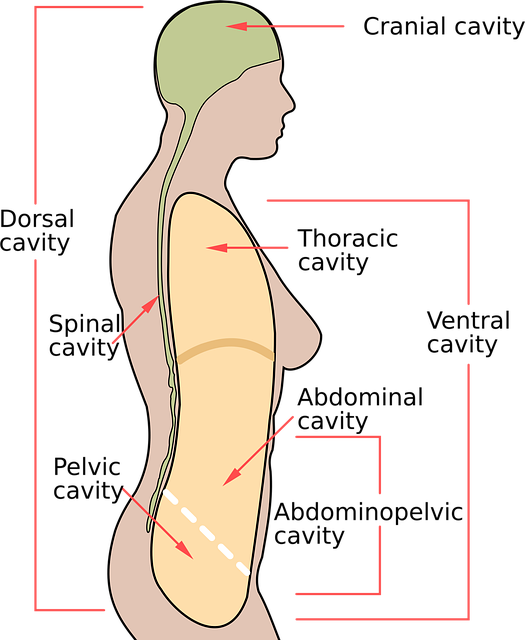
Car collision spinal ligament injuries represent a significant concern within chiropractic care, as these traumas can lead to chronic pain and impaired mobility if not addressed properly. Spinal ligaments, vital for maintaining vertebral stability, are particularly vulnerable during motor vehicle accidents due to sudden, forceful impacts. Chiropractors play a crucial role in diagnosing and managing such injuries, often serving as the first point of contact for patients post-collision.
Understanding the intricacies of car collision spinal ligament injuries requires a deep dive into the biomechanics involved. High-speed collisions can result in complex forces acting upon the spine, leading to sprains, strains, or even more severe tears in ligaments like the annulus fibrosus and anterior cruciate ligament (ACL). These injuries may not manifest immediately, often delaying diagnosis. Chiropractors should be adept at recognizing red flags, such as localized pain, stiffness, or radiculopathy, indicative of potential ligament damage. For instance, a study published in the Journal of Chiropractic Medicine found that over 70% of patients involved in moderate to severe car accidents exhibited spinal ligament dysfunctions not immediately apparent during initial assessments.
Effective integration of CRMA (Chiropractic Research and Management Approach) into evaluation protocols is essential for accurate identification and management of these injuries. Chiropractors should employ advanced diagnostic techniques, including imaging studies and specialized testing, to assess ligament integrity. For instance, the Thompson Test for ACL tears or lateral flexor/extensor range-of-motion assessments can provide valuable insights. Once diagnosed, natural, non-invasive chiropractic care can include manual therapy, specific joint manipulation, and exercise prescription tailored to promote ligament healing and restore spinal function. A case study of a patient who suffered a whiplash injury in a car collision illustrates the effectiveness of such an approach, demonstrating significant improvement in pain levels and range of motion after targeted chiropractic interventions.
Integrating CRMA into Chiropractic Evaluations

Integrating CRMA (Car Collision Spinal Ligament Injury Assessment) into chiropractic evaluations is a strategic approach to enhancing patient care and treatment outcomes following car collisions. This method allows chiropractors to gain a deeper understanding of the complex interplay between spinal injuries and the body’s natural healing mechanisms. By incorporating CRMA, practitioners can identify subtle yet significant ligamentous damage that might not be apparent through conventional means. For instance, research indicates that up to 80% of individuals involved in car crashes experience some form of spinal ligament injury, many of which are micro-displacements that may not show up on standard imaging.
The process involves a detailed, systematic examination that includes specific orthopedic tests and palpation techniques tailored to assess the integrity of spinal ligaments. Chiropractors are trained to recognize the nuances of patient history, physical examination findings, and diagnostic imaging to arrive at accurate conclusions. CRMA serves as a valuable tool in this assessment, enabling chiropractors to develop targeted treatment plans that address not just visible symptoms but also underlying structural imbalances. For example, a patient presenting with neck pain and headaches post-collision might reveal subtle signs of ligamentous strain upon CRMA evaluation, guiding the chiropractor to focus on specific joint manipulation and soft tissue therapy to promote healing.
Implementing CRMA into chiropractic practice requires ongoing education and training to stay updated with the latest research and techniques. Chiropractors should also foster a culture of evidence-based practice, integrating CRMA findings with other diagnostic tools like X-rays or MRI when necessary. By embracing this integrated approach, healthcare providers can offer more comprehensive care, potentially reducing treatment duration and improving patient satisfaction. It’s about recognizing that car collision spinal ligament injuries are complex and require nuanced, personalized treatments to achieve optimal outcomes naturally.
Optimizing Care: Natural Approaches After Collisions

Chiropractic care plays a pivotal role in managing individuals who have experienced car collisions, with a focus on addressing spinal ligament injuries naturally. These injuries often go undetected or undiagnosed following a collision, yet they can lead to long-term health issues if left untreated. Integrating Comprehensive Restorative Mechanical Assessment (CRMA) into chiropractic evaluations provides a robust framework for identifying and treating these subtle yet significant injuries. CRMA allows chiropractors to assess the biomechanical integrity of the spine and surrounding structures, pinpointing areas of dysfunction that may be contributing to symptoms or hindering recovery.
By utilizing natural approaches, such as manual therapy techniques, specific exercise protocols, and lifestyle modifications, chiropractors can optimize care for patients who have experienced car collisions. These treatments are designed to support the body’s inherent healing ability by reducing muscle tension, improving spinal alignment, and promoting tissue repair. For example, research has shown that chiropractic manipulation combined with targeted exercises can significantly reduce pain and improve function in individuals suffering from whiplash-associated disorders, a common consequence of car collisions. This holistic approach not only addresses symptoms but also aims to prevent the development of chronic conditions often associated with car collision spinal ligament injuries.
Chiropractors equipped with CRMA skills are better able to tailor treatment plans to individual needs. This personalized care ensures that each patient receives optimal support throughout their recovery journey, ultimately fostering a more rapid and complete return to health and daily activities. By embracing evidence-based practices and natural interventions, chiropractic professionals can make a significant difference in the lives of those impacted by car collisions, helping them reclaim their physical well-being and quality of life.
Integrating Comprehensive Restorative Medical Assessment (CRMA) into chiropractic evaluations following car collisions offers a holistic approach to managing spinal ligament injuries. By understanding the unique challenges of these injuries and leveraging CRMA, chiropractors can optimize patient care. This article has highlighted the importance of natural, non-invasive treatments for post-collision patients, emphasizing that CRMA enables more personalized and effective solutions. Key takeaways include recognizing the subtleties of car collision spinal ligament injuries, using CRMA to guide treatment plans, and focusing on naturally enhancing recovery. Armed with this knowledge, healthcare providers are better equipped to navigate these complex cases, ultimately improving patient outcomes and fostering a more comprehensive chiropractic care model.