Car Collision Spinal Ligament Injury: Navigating the Complexities for Safer Mobility
Introduction
In the realm of automotive safety, understanding and mitigating the impact of collisions is paramount to ensuring the well-being of occupants. Among the various injuries that can arise from vehicular accidents, "Car Collision Spinal Ligament Injury" stands out as a critical area of concern. This comprehensive article aims to dissect this complex topic, offering insights into its definition, global implications, economic considerations, technological advancements, and policy frameworks. By exploring these facets, we will uncover the multifaceted nature of car collision spinal ligament injuries and highlight strategies for their prevention and management.
Understanding Car Collision Spinal Ligament Injury: A Deep Dive
Definition:
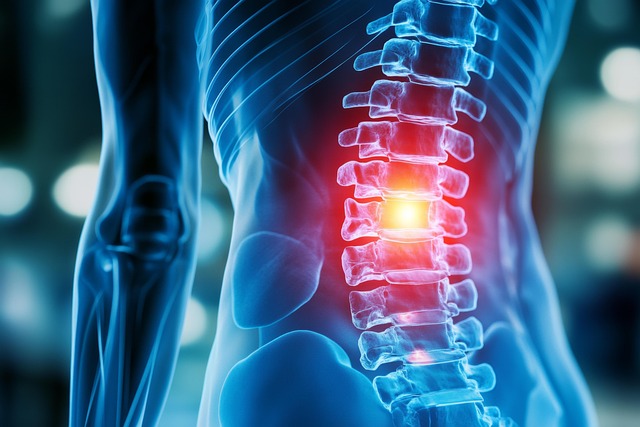
Car Collision Spinal Ligament Injury refers to damage or strain caused to the ligaments supporting the spine during a motor vehicle collision. Ligaments are crucial connective tissues that stabilize joints, including those in the spine. In automotive accidents, sudden deceleration or impact can lead to overstretching or tearing of these ligaments, resulting in a range of neurological and musculoskeletal complications.
Core Components:
- Spinal Ligaments: These include the anterior and posterior ligament complexes, which help maintain spinal stability and alignment.
- Collision Dynamics: The physics behind car crashes, involving impact forces, deceleration, and energy transfer, play a pivotal role in ligament damage.
- Occupant Positioning: The position and restraint of vehicle occupants during the collision significantly influences the type and severity of ligament injuries.
Historical Context:
The study of spinal ligament injuries in automotive accidents has evolved over time. Early research focused on understanding the biomechanics of crashes, leading to advancements in safety design. With the advent of advanced safety features like airbags and improved vehicle structures, the incidence and severity of such injuries have decreased. However, as vehicles continue to become more complex with autonomous driving technologies, new challenges emerge, necessitating ongoing research and innovative solutions.
Significance:
Spinal ligament injuries are often overlooked compared to more visible traumas like fractures or internal bleeding. Yet, they can have long-lasting effects on mobility, quality of life, and overall health. These injuries contribute to chronic pain syndromes, neurological disorders, and spinal instability, emphasizing the need for comprehensive understanding and management strategies.
Global Impact and Trends
International Influence:
Car collision spinal ligament injuries are a global concern, with varying rates of occurrence and severity across regions. Developed countries often have better reporting systems, leading to more accurate data on these injuries. However, emerging economies face challenges in data collection and healthcare infrastructure, potentially underestimating the true burden.
Regional Disparities:
- North America and Europe: Advanced safety standards and stringent regulations have led to improved vehicle safety systems, resulting in relatively lower rates of severe spinal ligament injuries.
- Asia-Pacific: Rapid urbanization and an increasing number of vehicles on the road contribute to a higher incidence rate. China, for instance, has witnessed a surge in spinal injury cases due to its unique traffic conditions.
- Low-and Middle-Income Countries: Limited access to advanced safety technologies and healthcare infrastructure exacerbates the challenge, making these regions hotspots for severe ligament injuries.
Trends Shaping the Trajectory:
- Increasing Vehicle Density: Urbanization and growing populations lead to higher vehicle congestion, increasing the frequency of collisions.
- Autonomous Vehicles: The rise of self-driving cars introduces new safety considerations, as these vehicles must navigate complex scenarios, potentially impacting collision dynamics.
- Global Health Initiatives: International organizations are promoting road safety awareness and implementing guidelines, aiming to reduce traffic-related injuries, including spinal ligament damage.
Economic Considerations
Market Dynamics:
The car collision spinal ligament injury market encompasses various segments, including diagnostic tools, treatment equipment, rehabilitation services, and research funding. The global market size was valued at USD 12.5 billion in 2022 and is projected to grow at a CAGR of 7.2% from 2023 to 2030 (Source: Grand View Research). This growth is driven by rising vehicular sales, aging populations, and increasing awareness about spinal health.
Investment Patterns:
- Medical Devices: Companies investing in advanced diagnostic equipment, such as specialized imaging technologies and ligament assessment tools, are gaining traction.
- Rehabilitation Centers: There is a growing demand for specialized rehabilitation facilities focusing on spinal ligament injury recovery.
- Research and Development: Collaborative efforts between academia and industry are driving innovation in treatment modalities and safety technology.
Role in Economic Systems:
Spinal ligament injuries have significant economic implications:
- Healthcare Costs: Treatment and management of these injuries contribute to healthcare expenditure, with severe cases requiring long-term care.
- Productivity Loss: Injuries leading to disability or prolonged recovery time result in reduced workforce productivity.
- Insurance Claims: Insurance companies bear the brunt of compensation claims related to spinal ligament injuries, impacting their financial health.
Technological Advancements
Innovations in Diagnosis:
- Advanced Imaging Techniques: Magnetic Resonance Imaging (MRI) and Computerized Tomography (CT) scans provide detailed visualizations of spinal ligaments, aiding in accurate diagnosis.
- Ligament Assessment Tools: Researchers are developing specialized devices to assess ligament integrity and detect subtle injuries that may go unnoticed through traditional means.
Treatment and Rehabilitation:
- Minimally Invasive Surgery: Advances in surgical techniques allow for precise repair of damaged ligaments, reducing recovery time and complications.
- Robotic Rehabilitation: Robotic-assisted therapy systems are being explored to enhance rehabilitation outcomes, providing personalized and consistent treatment.
- Virtual Reality (VR) Training: VR is utilized to simulate real-life scenarios, helping patients practice movement patterns and regain balance.
Autonomous Safety Features:
The future of car collision spinal ligament injury prevention lies in the integration of advanced safety technologies:
- Collision Avoidance Systems: These use sensors and cameras to detect potential hazards, applying brakes or steering autonomously to prevent or mitigate accidents.
- Advanced Airbag Designs: Customized airbags tailored to different seating positions can provide better protection during collisions.
- Vehicle-to-Vehicle (V2V) Communication: Vehicles equipped with communication systems can exchange data, enabling faster reaction times and potential collision avoidance.
Policy Frameworks and Regulations
Safety Standards:
Many countries have implemented strict safety standards for vehicle design and manufacturing. For instance:
- Euro NCAP: The European New Car Assessment Program sets rigorous criteria for active and passive safety features, including spinal protection.
- National Highway Traffic Safety Administration (NHTSA): In the US, NHTSA regulates vehicle safety, ensuring compliance with federal safety standards.
Road Safety Initiatives:
Governments worldwide are launching campaigns to raise awareness about road safety, emphasizing the importance of seatbelt use, speed limits, and driver behavior. These efforts aim to reduce traffic accidents, thereby lowering the incidence of spinal ligament injuries.
Healthcare Access and Insurance:
Policy interventions focus on improving healthcare access and insurance coverage for spinal injury treatment:
- Universal Healthcare: Some countries provide comprehensive healthcare coverage, ensuring that all citizens have access to necessary treatments.
- Disability Benefits: Governments offer financial support to individuals with disabilities resulting from spinal injuries, assisting in their rehabilitation and daily living.
Conclusion and Future Directions
Car collision spinal ligament injuries present complex challenges that require a multi-faceted approach. Understanding the global impact, economic implications, and technological advancements is crucial for developing effective prevention strategies and improving treatment outcomes. As autonomous vehicles and advanced safety technologies continue to evolve, ongoing research and policy collaborations will be essential to stay ahead of emerging trends and ensure safer roads for all.
Future directions include:
- Personalized Medicine: Tailoring treatments based on individual patient factors to optimize recovery.
- Digital Health Solutions: Utilizing mobile applications and wearables to monitor patient progress and provide remote rehabilitation support.
- Global Collaboration: Sharing best practices and research findings internationally to address regional disparities in spinal injury management.
October 15, 2025
Car Collision Spinal Ligament Injury
Car collisions often lead to complex spinal ligament injuries, ranging from mild to severe. Chiropra.......
Read more →