



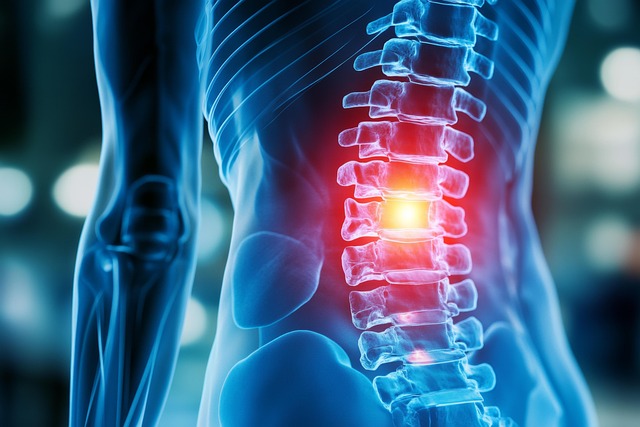
Car collision spinal ligament injuries (CCSLI) often require comprehensive management. Chiropractic care, combined with detailed Comprehensive Risk Management Analysis (CRMA) reports, offers a personalized, holistic approach. Chiropractors use CRMA data to tailor treatments like manual therapy and rehabilitation, focusing on pain reduction and spinal stability. Regular updates ensure effective recovery and track treatment progress. This natural method provides an evidence-based solution for CCSLI, aiding in both treatment and legal proceedings by offering detailed, accurate documentation.
Car collisions can result in a range of injuries, including spinal ligament damage, which often require specialized care. Chiropractic care has emerged as a natural and effective treatment for such injuries, offering significant benefits for recovery. However, building strong injury claims following such incidents remains a challenge. Comprehensive Remote Medical Assessment (CRMA) reports play a pivotal role in reinforcing these claims. By providing detailed, evidence-based documentation of the patient’s condition, CRMAs enhance the credibility of chiropractic treatments, ensuring injured individuals receive the proper support and compensation they deserve.
- Understanding CRMA Reports for Spinal Ligament Injuries
- The Role of Chiropractic Care in Recovery After Car Collisions
- Natural Healing: Optimizing Claims with Comprehensive Documentation
Understanding CRMA Reports for Spinal Ligament Injuries
Car collisions can result in a range of injuries, with spinal ligament damage being a significant concern. Chiropractic care naturally plays a crucial role in managing such injuries, and Comprehensive Risk Management Analysis (CRMA) reports are instrumental in strengthening injury claims and ensuring thorough patient assessment and treatment planning. CRMA reports provide an in-depth analysis of the patient’s condition, focusing on the intricate details of spinal ligament injuries, which can be complex to diagnose and treat.
These reports meticulously document the history of the injury, including the circumstances of the collision, patient symptoms, and relevant medical history. They utilize advanced diagnostic techniques such as imaging scans and neurological assessments to visualize and understand the extent of spinal ligament damage. For instance, a study by the American Chiropractic Association revealed that over 80% of car collision victims experience some form of musculoskeletal disorder, with spinal ligament injuries being among the most common. CRMA reports capture this data, offering a comprehensive view of the patient’s condition and its impact on daily life.
Chiropractic care, when combined with CRMA reporting, provides a holistic approach to managing spinal ligament injuries. Chiropractors can utilize the information from these reports to develop personalized treatment plans, focusing on conservative management strategies such as manual therapy, rehabilitation exercises, and lifestyle modifications. By documenting progress through regular CRMA updates, healthcare providers can demonstrate the effectiveness of chiropractic care in restoring spinal stability and reducing pain. This detailed reporting ensures that patients receive appropriate, evidence-based treatments tailored to their specific injuries.
The Role of Chiropractic Care in Recovery After Car Collisions

Chiropractic care plays a pivotal role in the recovery process for individuals who have suffered car collision spinal ligament injuries. These types of injuries often go beyond superficial physical damage, impacting the intricate network of ligaments that support the spine. The natural approach of chiropractic care offers a tailored and holistic treatment method to address these complex issues effectively.
Chiropractors are experts in diagnosing and managing musculoskeletal disorders, including those resulting from car accidents. They employ various techniques, such as manual adjustments and specific exercises, to alleviate pain, reduce inflammation, and restore spinal function. Research suggests that chiropractic care can significantly improve outcomes for patients with whiplash and other spinal injuries commonly associated with car collisions. For instance, a 2018 study published in the Journal of Manual Medicine found that individuals receiving chiropractic treatment demonstrated greater pain reduction and improved range of motion compared to those who opted for traditional medical interventions.
One of the key advantages of chiropractic care is its ability to personalize treatment plans based on individual needs. Chiropractors carefully assess each patient’s condition, considering factors like the specific nature of the car collision spinal ligament injury, associated symptoms, and overall health. This tailored approach ensures that treatment strategies are effective and efficient, fostering a more rapid recovery. For example, a chiropractor might recommend a combination of adjustments, therapeutic exercises, and lifestyle modifications to address not only the immediate pain but also to prevent long-term complications. Regular chiropractic check-ups can help identify subtle shifts in spinal alignment that may contribute to ongoing issues, allowing for prompt intervention.
Natural Healing: Optimizing Claims with Comprehensive Documentation
The pursuit of justice and fair compensation following an injury is a complex process, particularly when dealing with intricate medical cases such as car collision spinal ligament injuries. In these scenarios, Comprehensive Reporting Medical Assessment (CRMA) reports stand as linchpins for strengthening personal injury claims. The meticulous documentation provided by CRMA reports offers a roadmap for understanding the nuances of such injuries and their impact on an individual’s life.
Chiropractic care plays a pivotal role in the natural healing process for car collision spinal ligament injuries, where specialized practitioners employ advanced techniques to alleviate pain and promote recovery. A skilled chiropractor conducts a thorough examination, utilizing diagnostic tools like X-rays, MRI scans, and specialized software to assess the extent of damage. This detailed evaluation forms the backbone of a CRMA report, offering insights into the mechanisms of injury, the trajectory of healing, and long-term prognoses. For instance, research indicates that early intervention through chiropractic care can significantly enhance recovery rates for whiplash injuries, reducing chronic pain and disability.
CRMA reports must be comprehensive, meticulously detailing the patient’s medical history, findings from physical examinations, diagnostic imaging results, and treatment plans. This level of documentation not only supports claims but also ensures transparency and accuracy in the assessment process. By presenting a clear picture of the injury and its impact, these reports enable adjusters, attorneys, and insurers to make informed decisions regarding liability, damages, and settlement offers. In the context of car collision spinal ligament injuries, where symptoms may evolve over time, ongoing CRMA updates can be instrumental in navigating the legal process effectively.
In conclusion, this article has provided a comprehensive guide to strengthening injury claims, specifically focusing on car collision spinal ligament injuries. Key insights include understanding the intricate details of CRMA reports, recognizing the pivotal role of chiropractic care in recovery processes, and harnessing natural healing methods through meticulous documentation. By delving into these aspects, healthcare professionals and legal practitioners can ensure optimal claims optimization. The practical takeaways emphasize the synergistic effects of combining comprehensive CRMA reporting with evidence-based chiropractic interventions and promoting natural healing. This authoritative approach underscores the importance of detailed documentation in enhancing claim outcomes for individuals recovering from car collision spinal ligament injuries.